Revenue Architecture · United States

The B2B and SaaS web design agency US growth teams use when their website stops converting.

Your website gets traffic. It doesn't convert. The problem isn't the traffic source — it's that every page tries to do six things at once, the copy is written for a press release, and your demo request button is buried below the fold. We build revenue websites and SaaS product interfaces engineered around a single conversion goal per page, with measurement infrastructure live from day one.

40+ websites shipped · avg demo request CVR: 1.3% → 5.4% · < 2s LCP on all builds
This is for you if

Built for B2B and SaaS companies whose website is their biggest untapped revenue channel

You're a SaaS founder or growth leader and your product marketing site looks like a Webflow template — it doesn't differentiate your product, the demo CTA is weak, and you're losing trials to competitors whose sites are better, not whose products are better.

You run a B2B services company — consulting, professional services, managed services — and your website generates almost no inbound. Every lead comes from referrals or outbound. The website exists; it just doesn't work.

You're spending $20,000–$50,000 per month on Google or LinkedIn paid acquisition and your landing pages convert at 1–2%. You know the problem isn't the ad — it's the page the ad sends people to.

You had a design agency build your site 18 months ago. It looked great at launch. Conversion rate has never been measured. You have no idea whether it's working.

What's broken

Here's what's stopping your site from converting

No conversion logic

Your homepage announces what your product does. It doesn't answer the question your visitor arrived with. It doesn't give them one clear action. Below-the-fold CTAs, vague value propositions, and no urgency signal produce the same outcome every time: a visitor who read your homepage and went to a competitor's site to make a decision.
SaaS sites built like brochures

Most SaaS marketing sites are built by designers who don't understand product marketing — they're visually polished, structurally wrong. The hero doesn't state the outcome, the social proof is logos without context, the pricing page doesn't reduce friction, and the demo request form asks for eight fields. These are conversion problems, not aesthetic ones.

Performance that hurts paid ROI

A landing page at 3.5 seconds LCP loses 40% of paid traffic before the page loads. Google's Quality Score penalises slow landing pages with higher CPCs. Most US B2B websites fail Core Web Vitals on mobile — and most of their visitors are on mobile. Every dollar spent on paid acquisition is worth less when the destination page is slow.

No measurement infrastructure

Your website has been live for two years and you don't know its conversion rate by page, by traffic source, or by visitor segment. GA4 is installed but not configured. There are no heatmaps. You're making design and copy decisions based on opinion, not data. You cannot improve what you cannot measure.

What we engineer

Revenue website design and SaaS interface engineering for US B2B and growth teams

SaaS interface design

Product UI, dashboard design, and user onboarding flows for software companies. Figma wireframes to production-ready code. We design for conversion from the first screen: onboarding activation rate, feature adoption, and upgrade flow. Accessibility (WCAG AA) and Core Web Vitals enforced throughout.

Revenue website design

B2B marketing sites and product landing pages built around a single conversion goal per page. Copy written to match your buyer's search intent. Hero designed to state the outcome in under 8 words. Demo request or contact form above the fold, friction-minimised.

CRO audit

Microsoft Clarity or Hotjar installed, sessions reviewed, heatmaps analysed, funnel drop-offs mapped. Every finding scored by estimated revenue impact. We identify the 20% of fixes that will produce 80% of the conversion improvement.

Website rebuild

Audit first — CWV, conversion logic, SEO architecture, page IA. Rebuild with the right foundation. Not a visual refresh: a revenue rebuild. We've rebuilt SaaS marketing sites that tripled demo request CVR without changing the product, the pricing, or the traffic source.

Landing pages

Paid acquisition-specific pages for Google, LinkedIn, and programmatic campaigns. Single conversion goal, intent-matched copy, A/B test framework built in.

Web performance

Core Web Vitals remediation. LCP, CLS, INP — image optimisation, caching, CDN, render-blocking resource removal. LCP < 2.0s on mobile guaranteed.

What changes

Before and after: what happens when conversion architecture is built in

Before
After
Before LCP 3.8s, failing Core Web Vitals on mobile
After LCP < 2.0s on mobile, all CWV green
Before Demo request CVR: 1.2%
After Demo request CVR: 5.4–6.8%
Before Homepage bounce rate 74%
After Bounce rate < 52%, defined next action per page
Before GA4 installed, zero conversion events configured
After Full conversion tracking — demo requests, scroll depth, CTA clicks, by source
Before Generic SaaS template — indistinguishable from 40 competitors
After Custom product positioning, hero states outcome in under 8 words
How it works

From audit to revenue: how a build works.

  1. 01

    Web architecture review

    Days 1–5

    We audit your current website across four dimensions: Core Web Vitals performance, conversion logic per page, page architecture and IA, and SEO structure. Every issue is scored by estimated revenue impact so you know what costs you the most right now.

  2. 02

    Conversion architecture

    Weeks 1–2

    We define a single conversion goal for every page. We map the user journey from first visit to enquiry. We redesign the information architecture so every page answers the visitor's question and gives them one clear action.

  3. 03

    Design

    Weeks 2–5

    Figma wireframes, then a full design system (type, colour, spacing, component library), then high-fidelity mockups for every template. One revision round is included. You review in Figma before anything goes to development.

  4. 04

    Build

    Weeks 4–10

    Development in your chosen platform — WordPress, Webflow, Next.js, or Shopify. WCAG AA accessibility and Core Web Vitals standards enforced throughout. You receive a staging environment link for review and approval before launch.

  5. 05

    CRO layer

    Pre-launch

    Before go-live: GA4 conversion tracking configured, Clarity or Hotjar installed with heatmap goals set, A/B test framework configured for first test. You launch knowing exactly what you're measuring.

  6. 06

    Launch and optimise

    Ongoing

    Monthly conversion rate review using GA4 and heatmap data. Core Web Vitals monitored. Iterative improvements based on what the data shows. No guesswork — every change is tied to a metric.

Evidence

US projects, measured outcomes

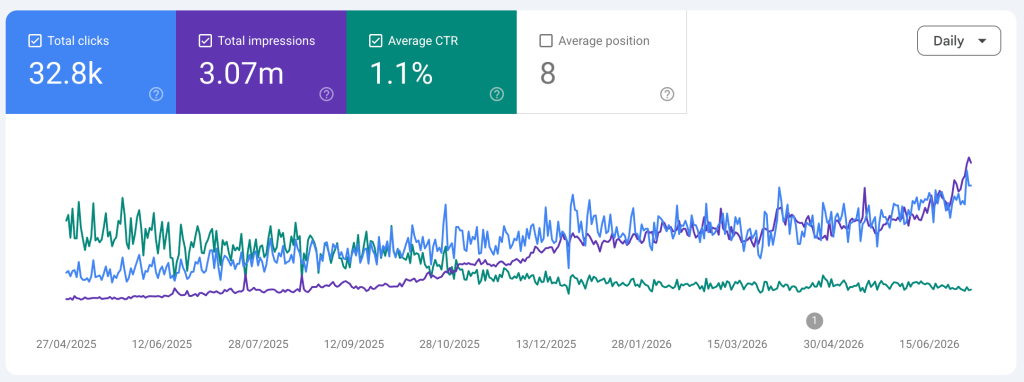
Conversion rate doubled, 1.8% to 3.4%, with zero organic equity lost
Ecommerce · Pet products United States

Conversion rate doubled, 1.8% to 3.4%, with zero organic equity lost

1.8% → 3.4% Site conversion rate
+7–9% Organic revenue, month over month
99.5% GA4 / Shopify data match
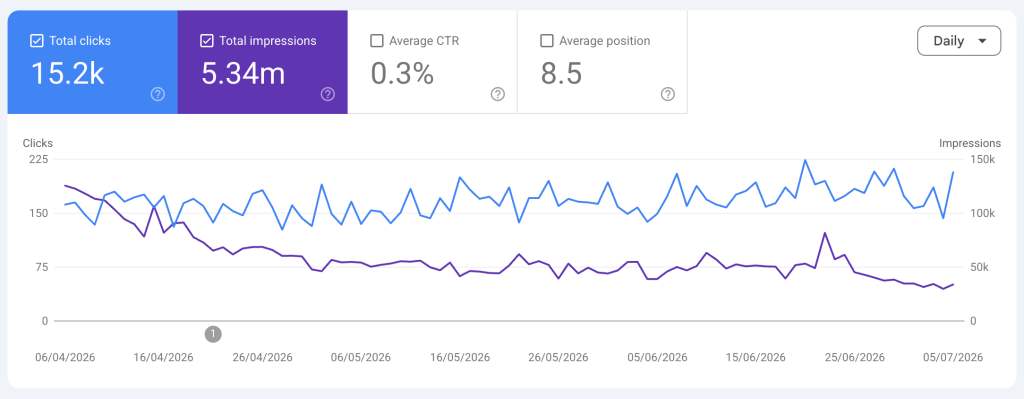
6%+ conversion rate — two to four times the pet-ecommerce average
Ecommerce · Pet products United Kingdom

6%+ conversion rate — two to four times the pet-ecommerce average

6%+ Site conversion rate
2–4× Above industry average (1.5–2.5%)
Growing Organic revenue & AOV, month on month
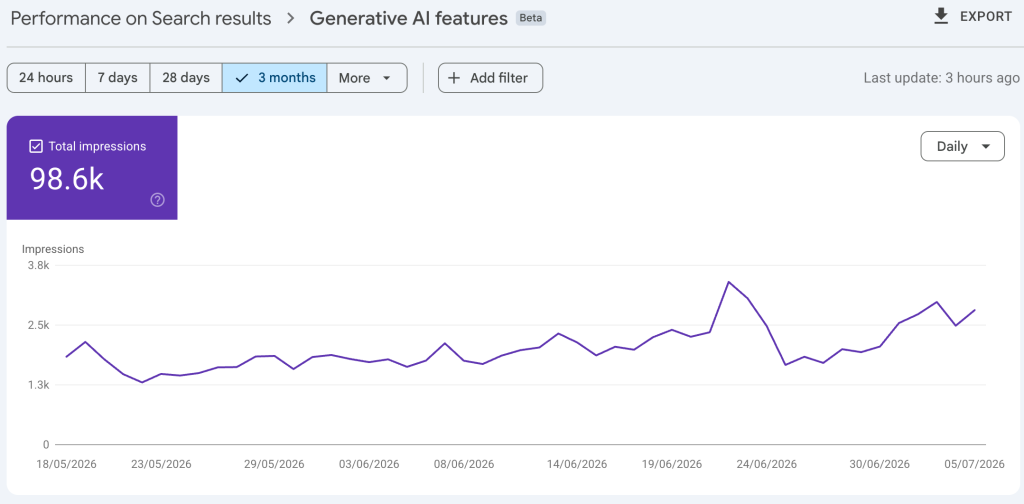
#1 for every major category keyword — built from a blank slate
Ecommerce · Pet products New Zealand

#1 for every major category keyword — built from a blank slate

#1 Every major NZ category keyword
0 → live Organic presence built from scratch
AU/NZ Hreflang split correctly configured
Common questions

Questions worth answering directly

Do you design SaaS product interfaces or only marketing sites?

We design both SaaS product interfaces and marketing sites — and the distinction matters. A product UI engagement covers dashboard design, user onboarding flows, feature pages, and upgrade sequences: it's conversion architecture applied to the product itself. A SaaS marketing site engagement covers the product's homepage, pricing page, landing pages, and demo request flow. Both are built around conversion goals — trial signup rate, activation rate, demo request CVR, trial-to-paid rate — and both include measurement infrastructure from day one. Many SaaS clients engage us for both at the same time.

How long does a website build take?

A B2B marketing site takes 8–12 weeks from architecture review to launch. A SaaS product UI build takes 10–16 weeks depending on the number of screens and the complexity of the onboarding flow. Landing pages are 3–4 weeks. We don't compress timelines — every week we skip on architecture or QA shows up as a conversion problem after launch.

What's a CRO audit and do I need one?

A CRO audit identifies exactly where visitors are leaving your site without converting. We use session recordings and heatmap data from real visitors, map every drop-off in your funnel, and score each fix by estimated revenue impact. If you're spending on paid acquisition and your CVR is under 3%, the CRO audit will tell you what to fix first.

What platforms do you build on?

Next.js (headless, performance-optimised), Webflow, WordPress with custom block theme, and React for product UI. The platform recommendation depends on your content management workflow, your development team's capabilities, and whether this is a marketing site or a product interface.

What's the difference between a revenue website and a regular website?

A revenue website is engineered around conversion goals. Every page has one: a demo request, a trial signup, a consultation booking. Copy is written to answer the question the visitor arrived with, not to describe what the company does. Layout hierarchy guides the visitor's eye toward the CTA. A regular website presents information and hopes the visitor figures out what to do. The difference is architectural — and it's measurable in CVR, bounce rate, and inbound lead volume.

How do you measure whether the website is working?

Every conversion event is tracked in GA4 before launch: form submissions, demo requests, trial signups, CTA clicks, scroll depth, by source. Heatmaps and session recordings run from day one. Monthly reports show CVR by page, by traffic source, and by segment.

Can you work with our in-house developers?

Yes. We deliver a complete Figma file with annotated specs, a component documentation brief, Core Web Vitals implementation guidance, and a CRO brief for your developers. We're available for technical review sessions during the build and offer a post-launch build audit.

Do you do design-only projects (Figma handoff)?

Yes — design-only engagements are available for teams with in-house or contracted developers. Deliverables include wireframes, design system, all high-fidelity screens, interactive prototype (for SaaS flows), and developer handoff documentation including Core Web Vitals targets per component.

Our team

The people behind the work

Not a black box. Real specialists you can call, with their names on the work.

Niraj Raut

Niraj Raut

Founder — Ecommerce SEO
Keshab Joshi

Keshab Joshi

PPC Expert
Hawrry Bhattarai

Hawrry Bhattarai

Google Ads Expert
Arogya Rijal

Arogya Rijal

SaaS SEO Expert
Start here

Get a revenue audit of your website or product in 5 days

The web architecture review covers conversion logic, Core Web Vitals performance, page architecture, and SEO structure — or for SaaS, onboarding flow and product UI conversion patterns. You receive a written report with every issue prioritised by revenue impact. No redesign pitch. No retainer required.

5-day turnaround · Revenue audit, not an aesthetics review · No retainer required