Revenue Architecture · Australia

The web design agency Australia's B2B and services businesses use when their website stops generating leads.

Most Australian web agencies build websites that look fine on a portfolio but don't convert — no conversion logic, no CRO, and Core Web Vitals they've never heard of. We build revenue websites: every page engineered around a single conversion goal, performance under 2 seconds, and a measurement framework live from day one.

40+ websites shipped · avg conversion rate improvement · < 2s LCP on all builds
This is for you if

Built for Australian businesses whose website generates traffic but not revenue

You run a B2B services business in Australia — consulting, professional services, trades, or construction — and your website generates almost no inbound enquiries despite reasonable traffic.

You've had your site redesigned once already and it looked good for six months, but nothing measurable changed — leads are still coming from referrals, not the website.

You're spending money on Google Ads or SEO but the landing pages aren't converting and your cost-per-lead keeps climbing because the website is leaking traffic.

You're in Adelaide, Gold Coast, Perth, or a regional market — you don't need a Sydney agency charging Sydney prices, but you do need a team that understands conversion architecture, not just page builders.

What's broken

Here's what's stopping your site from converting

No conversion logic

Your website describes your business. It doesn't guide visitors toward a decision. Every page has the same CTA — "Contact us" — buried in the footer. There's no sense of urgency, no single next action, and no reason to act now rather than later. Visitors read and leave, and you have no idea why.
Architecture built for the agency

Most Australian web agencies build what's easy to sell: a homepage, an about page, a services page, a contact page. That structure made sense in 2008. It doesn't reflect how buyers research and decide now. Your potential clients are arriving with specific questions at specific stages of the decision process — and your site answers none of them.

Core Web Vitals your agency ignores

Most web agencies in Australia don't know what Core Web Vitals are, let alone how to fix them. If your LCP is above 3 seconds — and most AU business websites are above 4 — Google is already penalising your organic rankings. Mobile users are leaving before the page loads. This is not a performance edge case; it's a commercial problem with a measurable cost.

No trust signals that work

A stock photo of a handshake, a list of services, and a generic "We're passionate about delivering results" headline doesn't build trust with Australian buyers. They're direct — they want to know who you've worked with, what changed, and what they can expect.

What we engineer

Revenue website design and CRO for Australian businesses

Revenue website design

We build websites where every page has a single, defined conversion goal — a call, a form submission, a demo request. Copy is written to match what your buyer is thinking when they arrive, not what you want to say about yourself. Layout, hierarchy, and CTAs are tested before launch. Deliverable: a website that tells you exactly how many leads it generates each month.

SaaS interface design

Product UI, dashboard design, and user onboarding flows for software products. Figma wireframes to production-ready code. Accessibility standards and Core Web Vitals enforced throughout. If you're building a SaaS product in Nepal or for an international market, this is the design layer that makes it usable and trustworthy.

Website rebuild

We audit your existing site first — Core Web Vitals, conversion logic, SEO structure, page architecture. Then we rebuild with the right foundation. Not a visual refresh: a revenue rebuild. The result is a faster, higher-converting site with a clear measurement framework from day one.

Landing pages

Single-goal pages for paid traffic, email campaigns, or product launches. Intent-matched copy, single CTA, A/B test framework built in. We build pages that match what your visitor was promised before they clicked — and give them one clear action to take.

CRO audit

We install Microsoft Clarity or Hotjar, record sessions, analyse heatmaps, and map every drop-off point in your conversion funnel. Output is a prioritised list of fixes scored by revenue impact — not a slide deck of vague observations. You know exactly what to fix first and why.

Web performance

Core Web Vitals remediation: LCP, CLS, INP. Image optimisation, lazy loading, caching strategy, CDN configuration. We guarantee LCP under 2.0 seconds on mobile. If your site is slow, Google is already ranking it lower — this is not a cosmetic fix.

What changes

What a revenue website delivers — in numbers

Before
After
Before LCP 4.8s, failing Core Web Vitals
After LCP < 2.0s on mobile, all CWV green
Before Homepage bounce rate 81%
After Bounce rate < 55%, defined next action per page
Before 0–2 leads/month from the website
After 15–35 qualified leads/month at the 6-month mark
Before No idea how many visitors become leads
After GA4 + Clarity heatmaps + funnel reporting live from day one
Before Visitors read the homepage and leave
After Every page has a single, clear conversion goal
How it works

From audit to revenue: how a build works.

  1. 01

    Web architecture review

    Days 1–5

    We audit your current website across four dimensions: Core Web Vitals performance, conversion logic per page, page architecture and IA, and SEO structure. Every issue is scored by estimated revenue impact so you know what costs you the most right now.

  2. 02

    Conversion architecture

    Weeks 1–2

    We define a single conversion goal for every page. We map the user journey from first visit to enquiry. We redesign the information architecture so every page answers the visitor's question and gives them one clear action.

  3. 03

    Design

    Weeks 2–5

    Figma wireframes, then a full design system (type, colour, spacing, component library), then high-fidelity mockups for every template. One revision round is included. You review in Figma before anything goes to development.

  4. 04

    Build

    Weeks 4–10

    Development in your chosen platform — WordPress, Webflow, Next.js, or Shopify. WCAG AA accessibility and Core Web Vitals standards enforced throughout. You receive a staging environment link for review and approval before launch.

  5. 05

    CRO layer

    Pre-launch

    Before go-live: GA4 conversion tracking configured, Clarity or Hotjar installed with heatmap goals set, A/B test framework configured for first test. You launch knowing exactly what you're measuring.

  6. 06

    Launch and optimise

    Ongoing

    Monthly conversion rate review using GA4 and heatmap data. Core Web Vitals monitored. Iterative improvements based on what the data shows. No guesswork — every change is tied to a metric.

Evidence

Australian businesses, measured results

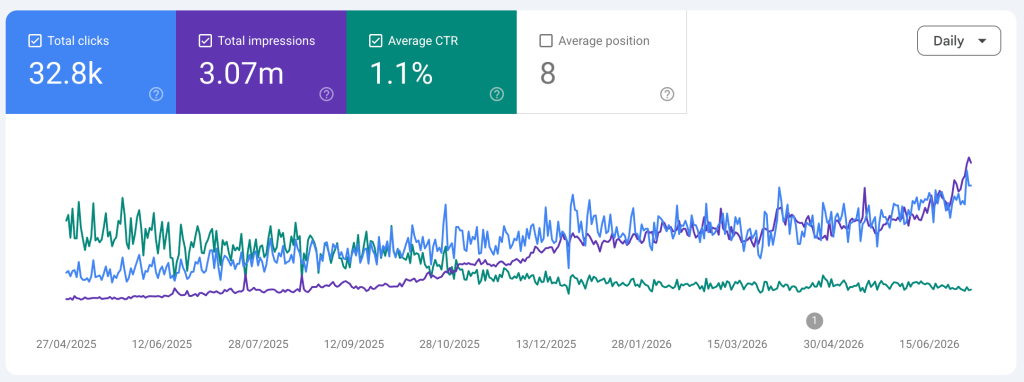
Conversion rate doubled, 1.8% to 3.4%, with zero organic equity lost
Ecommerce · Pet products United States

Conversion rate doubled, 1.8% to 3.4%, with zero organic equity lost

1.8% → 3.4% Site conversion rate
+7–9% Organic revenue, month over month
99.5% GA4 / Shopify data match
6%+ conversion rate — two to four times the pet-ecommerce average
Ecommerce · Pet products United Kingdom

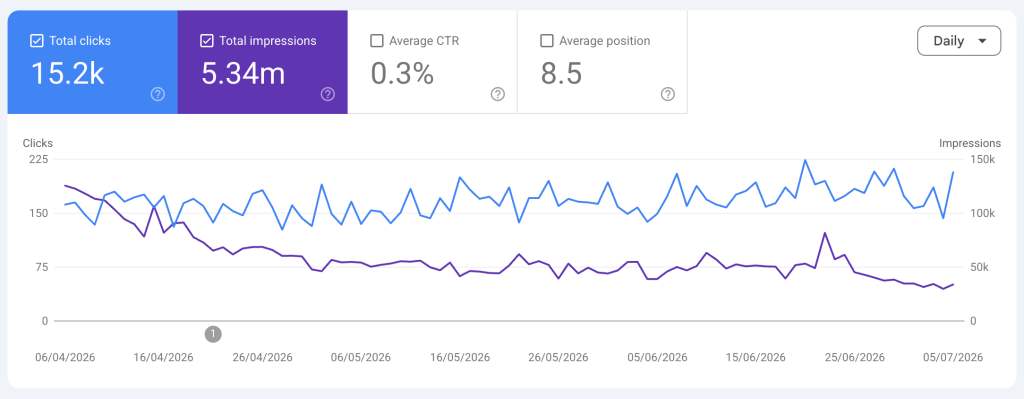
6%+ conversion rate — two to four times the pet-ecommerce average

6%+ Site conversion rate
2–4× Above industry average (1.5–2.5%)
Growing Organic revenue & AOV, month on month
#1 for every major category keyword — built from a blank slate
Ecommerce · Pet products New Zealand

#1 for every major category keyword — built from a blank slate

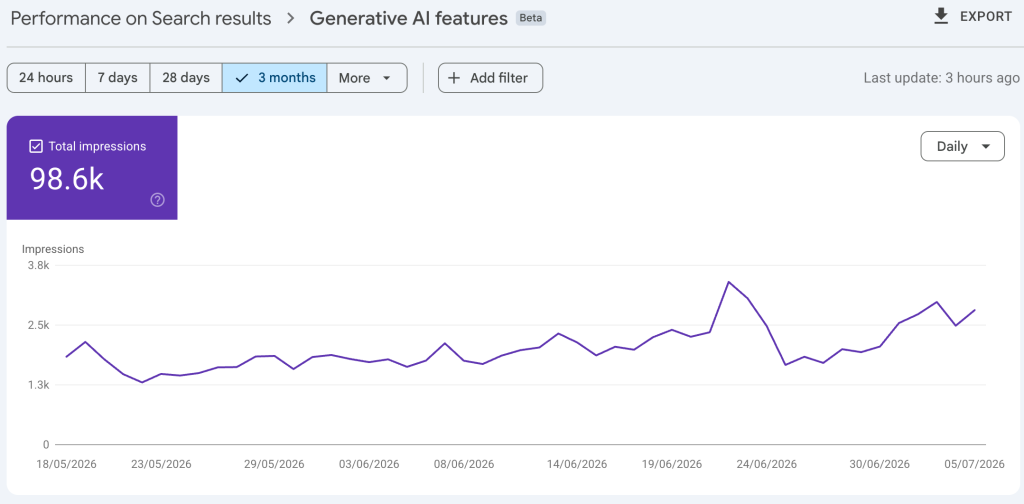
#1 Every major NZ category keyword
0 → live Organic presence built from scratch
AU/NZ Hreflang split correctly configured
Common questions

Questions worth answering directly.

What's the difference between what you build and what a local developer in Nepal charges $500 for?

A $500 website built in Nepal is typically a pre-made theme with your logo and text dropped in. It has no conversion architecture, no performance optimisation, and no measurement framework. It's a brochure — it shows you exist. A revenue website is built around what your visitor needs to believe before they enquire, with a single conversion goal per page, copy written to match buyer intent, and Core Web Vitals under 2 seconds. The difference is not aesthetic. The difference is whether your website generates leads or just sits there. The price difference is real, and so is the return difference — a website that generates 20 leads per month at an average deal size of $2,000 pays for itself in the first month.

How long does a website build take?

A standard revenue website build takes 8–12 weeks from the architecture review to launch. That includes the audit (week 1), conversion architecture and site map (weeks 1–2), Figma design (weeks 2–5), development on staging (weeks 4–10), and CRO setup before launch. Landing pages and single-service pages can be completed faster — typically 3–4 weeks. We do not rush builds to meet arbitrary deadlines at the cost of performance or conversion quality.

What platforms do you build on?

We build on WordPress (with a custom block theme, not page builders), Webflow, Next.js, and Shopify. The platform we recommend depends on your content management needs, your team's technical capability, and the type of site — ecommerce, marketing, SaaS, or lead generation. We document everything and hand over full source files regardless of platform.

What's a CRO audit and do I need one?

A CRO (conversion rate optimisation) audit identifies exactly where visitors are leaving your site without taking action. We install session recording and heatmap software, analyse real visitor behaviour, and map every drop-off point in your funnel. Output is a prioritised fix list scored by estimated revenue impact. You need one if your site gets traffic but generates few leads or sales — traffic without conversion is paid traffic with no return.

How do you measure whether the website is working?

From day one, GA4 conversion tracking is live — form submissions, phone clicks, scroll depth, and any event relevant to your conversion goal. Heatmaps and session recordings run continuously. Each month you receive a report showing conversion rate by page, lead volume by source, and Core Web Vitals scores. The website's performance is always visible, never assumed.

What's the difference between a revenue website and a regular website?

A regular website presents information. A revenue website is engineered to convert a specific type of visitor into a specific action. The difference is in the architecture: every page has one conversion goal, copy addresses the visitor's specific objection at that stage of the funnel, and layout hierarchy guides the eye toward the CTA. Regular websites get redesigned when they look dated. Revenue websites get iterated when the data says something specific needs to change.

Do you do design-only projects (Figma handoff)?

Yes. If you have a development team in-house, we can deliver a complete Figma file — wireframes, design system, all high-fidelity screens — and hand off directly to your developers with a specification document. We include Core Web Vitals guidance in the handoff so your developers know the performance targets each component must meet.

Can you work with our in-house developers?

Yes. We regularly work alongside in-house or agency development teams. We deliver the full Figma file with annotated specs, component documentation, and a CRO brief. If your developers have questions during build, we're available for technical review sessions. We also offer a post-launch CRO audit to verify the build was implemented correctly.

Our team

The people behind the work

Not a black box. Real specialists you can call, with their names on the work.

Niraj Raut

Niraj Raut

Founder — Ecommerce SEO
Keshab Joshi

Keshab Joshi

PPC Expert
Hawrry Bhattarai

Hawrry Bhattarai

Google Ads Expert
Arogya Rijal

Arogya Rijal

SaaS SEO Expert
Start here

Get a revenue audit of your website in 5 days

The web architecture review covers conversion logic, Core Web Vitals performance, page architecture, and SEO structure. You receive a written report with every issue prioritised by revenue impact. No redesign pitch — just a clear picture of what your website is doing and what it should be doing.

5-day turnaround · Revenue audit, not an aesthetics review · No retainer required