E-commerce Growth Engineering · Japan

Shopify Japan, Rakuten channel management, and cross-border e-commerce — with an English-speaking team that manages the full stack

Selling in Japan means navigating a unique channel mix: Shopify for direct-to-consumer, Rakuten and Yahoo Shopping for marketplace reach, LINE for retention, and domestic payment methods that Western checkout setups don't support by default. We engineer the full stack — platform, marketplace, payment, and retention — so every channel compounds the others.

Shopify · Rakuten · Yahoo Shopping · EN/JP bilingual delivery · Cross-border + domestic
This is for you if

You're selling in Japan, or you want to. The platform mix is the challenge.

The international brand entering Japan for the first time: You want to reach Japanese consumers with your existing product range. You're not sure whether to start with Shopify, Rakuten, or both. You need a team that understands how Japanese buyers actually shop — marketplace-first behaviour, high trust requirements, domestic payment preferences — and can build the right channel structure from the start.

The Shopify store launched in Japan with almost no domestic sales: You built a Shopify store for the Japanese market. Traffic is thin and conversion is low. What you may not know: Japanese domestic buyers shop primarily on Rakuten and Yahoo Shopping. A Shopify-only strategy misses the majority of domestic e-commerce intent in Japan. The channel mix needs fixing before the conversion rate does.

The Japanese brand wanting to sell internationally: You're established in Japan — on Rakuten or in physical retail — and you want to reach buyers in Australia, the UK, or the US. You need an English-language Shopify store with international SEO, cross-border payment and shipping, and Google Shopping campaigns for your target markets.

The business that can't find an English-speaking team with real Japan experience: Every agency you talk to either doesn't know the Japan market or doesn't communicate in English. Project management is difficult. Reporting is unclear. You need a team that delivers everything in English — strategy, reporting, and implementation — while understanding how Japan's e-commerce ecosystem actually works.

What's broken

Here's what's costing you sales

Platform mismatch — Shopify-only in a marketplace-first market

In Japan, Rakuten and Yahoo Shopping account for a substantial share of domestic e-commerce intent. A direct-to-consumer Shopify store without marketplace presence misses this buyer pool entirely. The right structure is Shopify for brand and direct relationship, Rakuten and Yahoo Shopping for marketplace visibility — managed as a coordinated system.
Payment friction — JCB, konbini, IC cards not supported

Japanese buyers use JCB cards, konbini (convenience store) payment, and IC cards (Suica, PASMO) for online purchases at rates that differ significantly from Western markets. A store that only accepts Visa/Mastercard with no konbini option is excluding a meaningful segment of Japanese buyers at the checkout step.

Trust signal gaps specific to Japan

Japanese e-commerce buyers have high trust requirements: verified seller credentials, detailed product specifications, accurate delivery estimates, and clear return policies written in Japanese. Missing any of these signals — particularly in a non-Japanese storefront — raises doubt that converts to abandonment. Trust-building in Japan requires a different set of signals than in Western markets.

No LINE retention layer

LINE is Japan's dominant messaging app with over 90 million active users. For Japanese e-commerce, LINE Official Account is a higher-converting retention channel than email. Most stores entering Japan set up only email — and wonder why their retention rates are poor. LINE post-purchase and win-back flows are the equivalent of Klaviyo in the Japanese market.

What we engineer

Full-stack e-commerce growth engineering for Nepali stores.

E-commerce SEO

Category page optimisation with keyword intent mapping. Product page schema markup so Google shows ratings, price, and stock in search results. Technical SEO for large catalogues: canonical tags, pagination, crawl budget. Content for handicraft, pashmina, and tea export keywords — a cluster with virtually no competition.

Google Shopping & PMax

Product feed rebuild: correct categorisation, complete attributes, consistent titles and descriptions. Campaign structure that separates high-margin SKUs from clearance. Shopping SEO — optimising product titles for Google's organic Shopping results. Performance Max management with audience signals and creative testing.

Shopify / WooCommerce CRO

Product page audit identifying every point where buyers hesitate and leave. Checkout flow optimisation: fewer steps, clearer progress, fewer abandonment triggers. Mobile optimisation — most Nepali shoppers are on mobile. A/B test framework so improvements are data-driven, not guesswork.

Meta Ads for e-commerce

Prospecting campaigns targeting buyers in Nepal and export markets. Dynamic product ads that show the exact product a visitor viewed. Retargeting sequences for abandoned carts and product views. Creative strategy: static, carousel, and video formats tested against each other.

Email retention

Welcome series that converts subscribers into first-time buyers. Abandoned cart sequences — typically 15–20% recovery rate. Post-purchase flows that drive the second sale. Win-back campaigns for customers who haven't bought in 90+ days. Browse abandonment for high-intent visitors.

Daraz & local payments

Daraz store setup and optimisation: listings, keyword-rich titles for Daraz search, category selection, seller rating management, Sponsored Products. Plus eSewa and Fonepay integration into Shopify and WooCommerce stores so Nepali mobile buyers complete checkout.

What changes

What your store looks like after the work

Before
After
Before Checkout missing JCB, konbini, IC cards — high abandonment
After Full payment localisation — JCB, Suica, konbini live — checkout abandonment drops 30–50%
Before Rakuten absent or product listings unoptimised
After Optimised Rakuten listings with Japanese product copy — search ranking and conversion both improve
Before No path to international markets for Japanese brands
After Shopify international store live — shipping to AU/US/UK with English product content
Before Email-only retention with low Japanese open rates
After LINE Official Account + email retention — LINE opens at 40–60% vs email 15–20%
Before Multiple channel dashboards, no unified view
After Unified revenue dashboard across Shopify, Rakuten, and Yahoo Shopping — all in English
How it works

Six steps from audit to compounding growth.

  1. 01

    E-commerce growth audit

    Days 1–5

    We audit your traffic sources, conversion rate by device and page, retention metrics, product feed quality, and paid channel performance. For stores on Daraz, we audit your seller metrics and listing quality in parallel. The output is a ranked list of revenue gaps — what's costing you the most and in what order to fix it.

  2. 02

    Quick wins

    Weeks 2–3

    Fix the highest-impact items first: product feed errors that are suppressing Shopping impressions, checkout friction points, missing payment methods, and email flows that aren't live. Most stores see measurable improvement in conversion rate within the first 3 weeks.

  3. 03

    SEO layer

    Month 1–3

    Category page content written to rank for Nepali and export market search terms. Product schema markup. Technical SEO fixes: canonical tags, page speed, crawl budget. Link building from relevant directories and industry publishers. Daraz listing optimisation in parallel.

  4. 04

    Paid acquisition

    Month 1–2

    Google Shopping campaign restructure or build. Meta prospecting and retargeting campaigns live. Creative testing begins. Performance tracked weekly against CAC and ROAS targets.

  5. 05

    Retention system

    Month 1–2

    Klaviyo or equivalent email platform configured. All 6 core flows built: welcome, abandoned cart, post-purchase, browse abandonment, win-back, and VIP. Revenue per flow tracked from day one.

  6. 06

    Scale and compound

    Month 3+

    CRO testing programme: A/B tests on product pages, checkout, and landing pages. Creative refresh on paid campaigns. New channel expansion: additional markets, new ad formats, new SEO content clusters. Monthly reporting against revenue, CVR, CAC, and retention targets.

Evidence

What the work produces

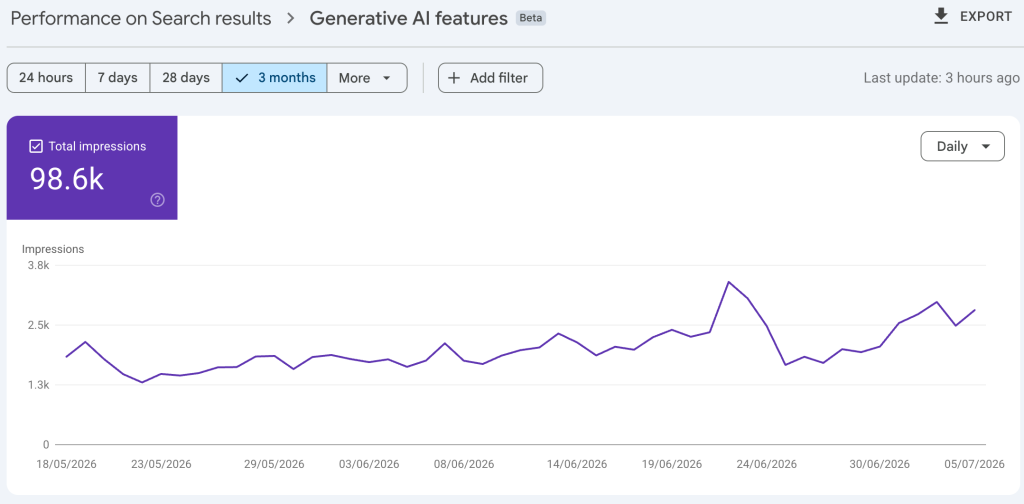
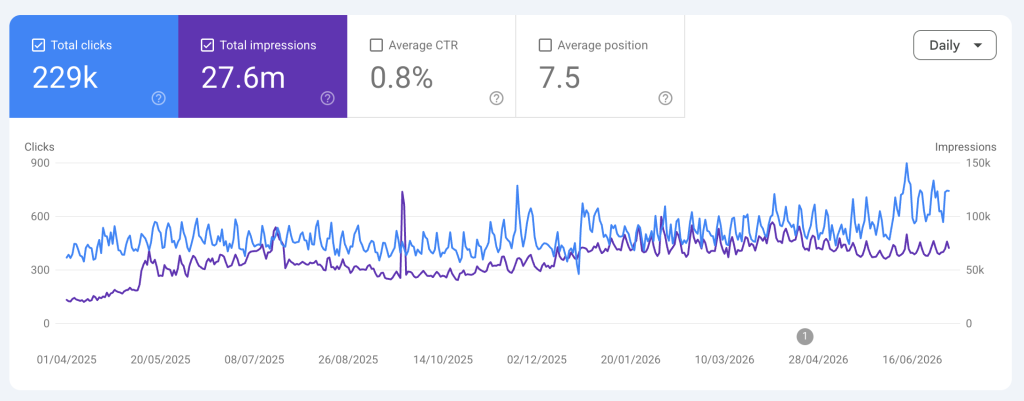
+18% organic sales in the first 30 days
Ecommerce · Pet products Australia

+18% organic sales in the first 30 days

#1 For every major category keyword
+18% Organic sales, month one
12%+ Conversion rate from AI platforms
Conversion rate doubled, 1.8% to 3.4%, with zero organic equity lost
Ecommerce · Pet products United States

Conversion rate doubled, 1.8% to 3.4%, with zero organic equity lost

1.8% → 3.4% Site conversion rate
+7–9% Organic revenue, month over month
99.5% GA4 / Shopify data match
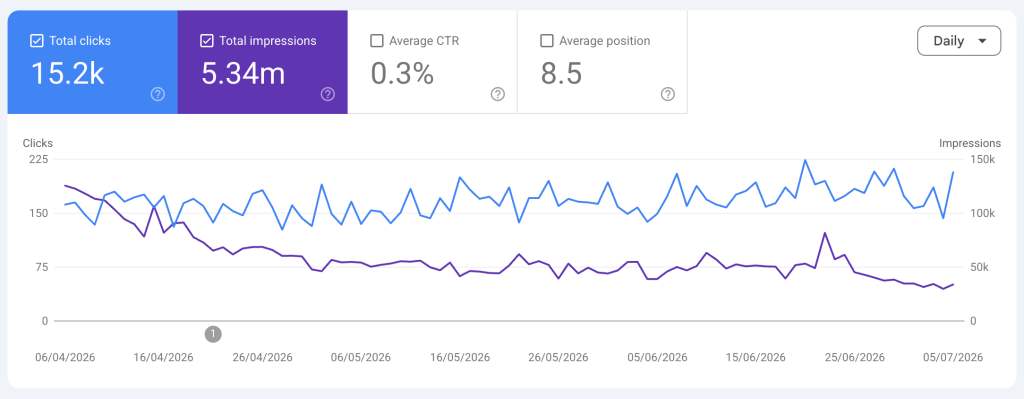
6%+ conversion rate — two to four times the pet-ecommerce average
Ecommerce · Pet products United Kingdom

6%+ conversion rate — two to four times the pet-ecommerce average

6%+ Site conversion rate
2–4× Above industry average (1.5–2.5%)
Growing Organic revenue & AOV, month on month
Common questions

Common questions about e-commerce in Japan

Do I need Rakuten as well as Shopify for the Japan market?

For most brands targeting Japanese domestic consumers, yes. Japanese buyers have a strong preference for purchasing from established marketplace platforms — Rakuten and Yahoo Shopping account for a significant share of domestic e-commerce spend. A Shopify-only direct-to-consumer store without marketplace presence reaches only a fraction of domestic Japanese intent. The right structure is Shopify for brand-building and direct customer relationships, Rakuten and Yahoo Shopping for marketplace visibility and volume. We manage both channels as a coordinated system.

How do you manage Rakuten for international clients?

We handle the full Rakuten seller account setup: account registration, product catalogue build, listing optimisation (keyword-rich Japanese titles, complete specification tables, accurate category mapping), Sponsored Products advertising, and ongoing listing management. All communication with you is in English. We provide monthly reporting in English covering Rakuten revenue, listing performance, and advertising ROAS.

What's the difference between Rakuten and Yahoo Shopping?

Rakuten is Japan's dominant domestic marketplace — known for loyalty programme buyers and a product-first browse experience. Yahoo Shopping (operated via Paypay Mall) has a different buyer demographic and a strong presence in certain categories. For most brands entering Japan, we recommend starting with Rakuten, then expanding to Yahoo Shopping once the Rakuten channel is established. For brands already on Rakuten, Yahoo Shopping is typically the logical next channel.

Can you help a Japanese brand sell internationally?

Yes. We build Shopify international stores for Japanese brands targeting AU, UK, and US buyers — English product content, international SEO, currency localisation, international shipping configuration, and Google Shopping or Meta Ads campaigns in target markets. Most Japanese brands entering export markets find that their existing product range has natural demand in these markets — particularly in food, cosmetics, homeware, and lifestyle categories.

What's the LINE integration and why does it matter?

LINE is Japan's dominant messaging platform with over 90 million active users. For Japanese e-commerce, LINE Official Account is a higher-converting retention channel than email — open rates of 40–60% compared to 15–20% for email in the Japan market. We configure LINE Official Account for post-purchase sequences, win-back campaigns, and seasonal broadcasts. Combined with email retention via Klaviyo or equivalent, this gives you two active retention channels rather than one.

Do you produce Japanese-language content?

Yes, for the Japan market. Product listing copy, Rakuten catalogue content, LINE messages, and on-page SEO content for Japanese search are all produced in Japanese. English content for international Shopify stores and all strategy, reporting, and project communication is in English. We do not require you to have a Japanese-speaking contact on your side — all project delivery is managed in English.

How long does a Rakuten launch take?

Rakuten seller account registration takes 1–3 weeks depending on documentation. Once approved, product catalogue build and listing optimisation typically takes 2–3 weeks for a catalogue of up to 200 products. First Sponsored Products campaigns go live in the same window. Total time from project start to first Rakuten sales: typically 4–6 weeks.

Do you communicate in English throughout the project?

Yes. All strategy, reporting, project management, and client communication is in English. You do not need a Japanese-speaking contact. The Japanese-language work — product content, listing copy, LINE messages — is handled by us. You review all deliverables in English before they go live.

Our team

The people behind the work

Not a black box. Real specialists you can call, with their names on the work.

Niraj Raut

Niraj Raut

Founder — Ecommerce SEO
Keshab Joshi

Keshab Joshi

PPC Expert
Hawrry Bhattarai

Hawrry Bhattarai

Google Ads Expert
Arogya Rijal

Arogya Rijal

SaaS SEO Expert
Start here

Start with an e-commerce growth audit

We audit your current channel mix, payment coverage, marketplace presence, and retention setup for Japan — and your cross-border readiness for export markets. You'll get a clear view of what to build or fix first, all in English.

5-day turnaround · Japan + cross-border channels · All communication in English